Guide to Herbs & Spices
Guide to Herbs & Spices: How to Use Them in Everyday Cooking
A well-stocked spice cupboard can transform everyday cooking. From adding warmth to a curry to giving roast vegetables more flavour, herbs and spices make it possible to create completely different dishes using many of the same basic ingredients.
With so many options available, knowing which spices to use – and what they pair well with – can sometimes be confusing.
At Dried Fruit for Africa, we stock a wide selection of herbs, spices, and seasonings for everyday cooking. Here is a simple guide to some pantry favourites and how you can use these:
Paprika
Paprika is an extremely versatile spice and a useful addition to almost any spice cupboard.
Use it to season chicken, potatoes, roast vegetables, stews and marinades. It also works particularly well in spice rubs for meat.
Depending on the variety, paprika can add sweetness, smokiness or a little heat.
Turmeric
Known for its distinctive golden colour, turmeric has an earthy flavour and is commonly used in curries, rice dishes, soups and stews.
A small amount can add both colour and depth to a dish. Turmeric works particularly well alongside spices such as cumin and coriander.
Cumin
Cumin has a warm, earthy flavour and is widely used across Indian, Middle Eastern, Mexican and North African cooking.
Add it to curries, chilli, mince dishes, roasted vegetables or marinades. It also pairs particularly well with coriander, paprika and chilli.
Coriander
Coriander spice has a warm, slightly citrus-like flavour and works well in curries, marinades and spice blends.
Cumin and coriander are especially useful spices to keep together, as they’re frequently used in the same dishes.
Cayenne Pepper
If you enjoy some heat, cayenne pepper is an easy way to increase the spice level of a dish.
Use a small amount in sauces, marinades, curries, chilli, soups and meat rubs. Because cayenne can be quite powerful, start with a little and add more according to taste.
Spices for Braai
A good braai seasoning doesn’t have to be complicated.
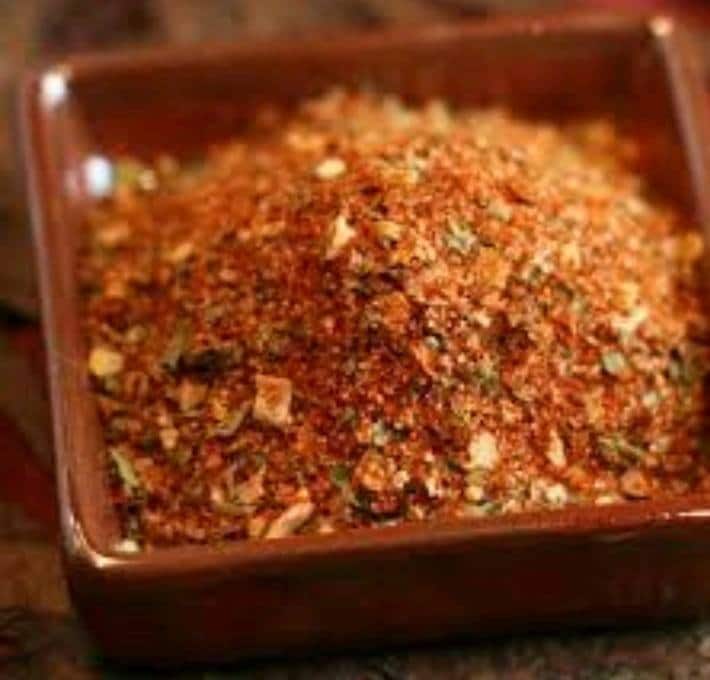
Paprika, coriander, cumin, garlic, black pepper and chilli can all form part of a flavourful meat rub.
Experimenting with your own combinations also allows you to adjust the salt, heat and flavour according to what you’re cooking.
Spices for Curries
For a basic curry spice cupboard, consider keeping turmeric, cumin, coriander, cardamom, cinnamon and chilli available.
Different combinations and quantities can produce dramatically different flavours, which is part of what makes cooking with spices so versatile.
Don’t Forget Your Herbs
Dried herbs are equally useful for everyday cooking.
Herbs can be added to pasta sauces, soups, roasted vegetables, marinades and meat dishes. Keeping a variety in your pantry means you can add flavour even when fresh herbs aren’t available.
Internal link: Herbs
How Should You Store Herbs and Spices?
Store dried herbs and spices in tightly sealed containers away from direct sunlight, heat and moisture.
A cool, dry cupboard is generally preferable to storing spices directly alongside the stove, where they’re regularly exposed to heat and steam.
It’s also worth checking older spices occasionally. While dried spices store well, their flavour and aroma can diminish over time.
Build Your Spice Cupboard
You don’t need dozens of spices to start experimenting. Begin with a handful of versatile favourites and gradually expand your collection as you discover the flavours you use most often.
From everyday seasonings to ingredients for curries, baking and braais, having the right herbs and spices available can make everyday cooking considerably more interesting.
Explore the Dried Fruit for Africa herbs and spices range and stock your pantry with your favourites.